
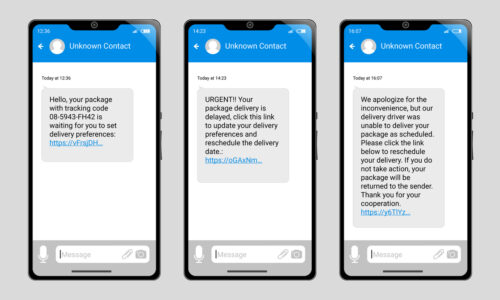
Have you noticed an increase in texts about unpaid tolls, expiring offers, or unexpected job opportunities? You’re not alone. These messages are part of a growing wave of smishing attacks, phishing scams delivered by text and they’re proving disturbingly effective. The reality is simple: we don’t treat our phones as carefully as we treat our computers.
On a laptop, most people wouldn’t click a suspicious email link without hesitation. On a phone, that caution often disappears. We read texts while distracted, half-asleep, or multitasking. We tap links quickly. We even store passwords in Notes. Hackers have noticed and they’re taking advantage.
According to Verizon’s 2025 Mobile Security Index, 80% of organizations report that employees have been targeted by smishing. While email phishing tests fail about 10% of the time, smishing failures are far higher. In many companies, 25% to 50% of employees fell for fake text messages, and some saw even higher rates.
Smishing works because texts lack context. Emails give you clues, sender addresses, formatting issues, warning signs. Texts usually offer just a phone number and a short message, making even low-effort scams seem believable. The risk increases when personal phones are used for work. Seventy percent of mobile attacks reported targeted personal devices, yet the fallout often affects entire organizations. One compromised phone can expose company systems, client data, and financial accounts. Work phones aren’t immune either. They’re always with you, on vacation, during errands, late at night, giving attackers access when you’re tired or distracted.
What You Can Do
- Treat texts like suspicious emails. If you weren’t expecting it, don’t click. Go directly to the company’s official website or contact them directly.
- Never store passwords on your phone. Use a secure password manager with encryption and multi-factor authentication.
- Verify urgent requests. Messages about tolls, deliveries, or job offers should always be confirmed through official channels.
- Pause when distracted. Off-hours and stressful moments are when mistakes happen most.
- Use mobile security tools if available. Device management and security controls can block many attacks before they reach you.
Your phone isn’t just a personal device anymore. It’s a gateway to your work, your data, and your organization. Attackers already understand that. It’s time we did too.